
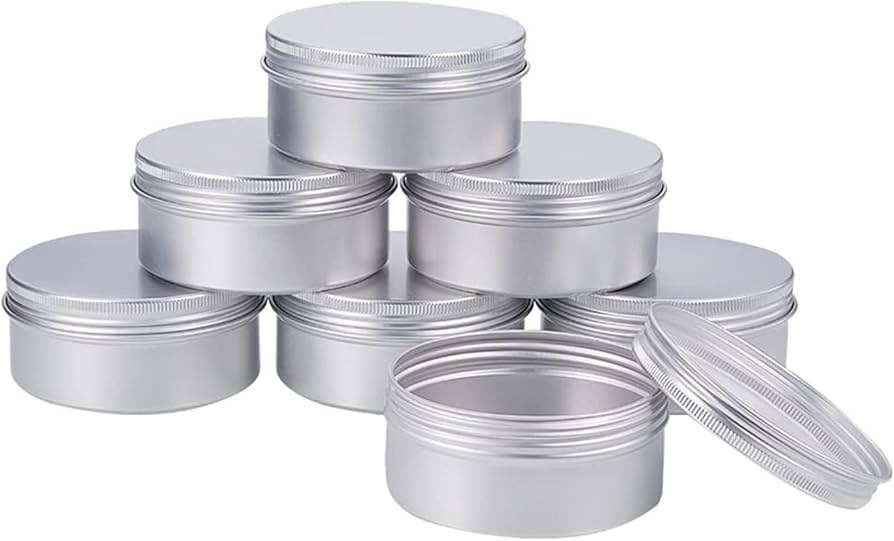
After years of gradual transformation, global brands, regulatory bodies, and consumers are collectively reshaping the design, manufacturing, and perception of the metal tin can. Sustainability is no longer just a marketing advantage, but a fundamental requirement. Simultaneously, customization has evolved from a decorative option to a core brand strategy, especially in competitive consumer goods sectors such as food, beverages, cosmetics, candles, and specialty retail. Firstly, environmental pressures, from carbon reduction targets to plastic bans, have accelerated the shift towards recyclable and reusable metal tin cans. Secondly, brand owners increasingly require packaging that tells a brand story, enhances shelf appeal, and reinforces premium positioning. Consequently, metal cans are no longer viewed as standardized containers, but as brand assets with long-term value.
Metal Tin Can Sustainability Trends: From Recyclability to Circular Design
Sustainability remains the most influential driver in the metal can market in 2026. While metal packaging has always been highly recyclable, expectations today go far beyond this. Buyers are now evaluating the entire lifecycle of metal tin cans, from raw material sourcing and production energy consumption to post-consumer recycling and reuse potential.
Steel and tinplate continue to stand out due to their ability to be recycled infinitely without material degradation. In many markets, metal packaging recycling rates exceed 70%, making metal tins one of the most environmentally friendly packaging options. However, forward-thinking brands are now asking deeper questions: How much recycled content is used? What coatings are used? How energy-efficient is the manufacturing process? By 2026, sustainable metal tin can design will no longer be just about compliance, but about brand credibility.
Metal Tin Can Customization in 2026: From Visual Identity to Brand Experience
Customization has become one of the fastest-growing trends in the metal tin can market. By 2026, customization will extend beyond logo printing or color choices to encompass shape design, surface finishes, functional structures, and even emotional interaction with the end user.
Modern metal tin can designs strive to stand out both visually and tactually. Combining matte and glossy finishes, embossed logos, debossed patterns, metallic textures, and soft-touch coatings are now standard for premium brands. These design elements transform packaging into a sensory experience, enhancing the product’s perceived value and strengthening the brand image. Beyond aesthetics, structural customization is equally important. Brands are increasingly adopting unique lid mechanisms, stackable designs, transparent windows, or reusable features to extend the lifespan of their cans. This functional longevity aligns perfectly with sustainability goals while also enhancing customer satisfaction.
Balancing Performance, Safety, and Sustainability
Material innovation plays a crucial role in shaping the future of metal tin cans. While tin-plated steel remains the dominant material, by 2026, there will be a greater focus on optimizing its performance to meet the diverse needs of various industries.
One major trend is the development of lighter yet stronger tin-plated steel. These materials reduce overall weight and transportation emissions while maintaining structural integrity. For brands involved in international shipping, this improvement directly impacts logistics costs and sustainability metrics. Another key innovation lies in internal coatings. Food-grade and cosmetic-grade metal tin cans now utilize advanced BPA-free linings that ensure product safety without compromising recyclability. These coatings are designed to resist corrosion, maintain flavor integrity, and comply with increasingly stringent FDA and EU regulations.
Efficiency, Precision, and Automation
Manufacturing technology is another decisive factor in the evolution of the metal tin can market. By 2026, automation and digitalization will no longer be optional but necessary for maintaining quality, consistency, and cost competitiveness. Advanced stamping and forming equipment enables tighter tolerances, smoother edges, and more complex shapes. This precision is particularly important for customized metal cans, where aesthetic details must perfectly match brand design specifications.
Automation also improves production efficiency and reduces human error. Smart production lines monitor material usage, defect rates, and energy consumption in real time. This data-driven approach allows manufacturers to optimize output while maintaining strict quality control.
Applications Across Industries
The versatility of metal tin cans continues to drive their widespread adoption across various industries. While food and beverages remain a core market, strong growth is expected in cosmetics, personal care, candles, health products, and specialty retail by 2026. In the food industry, metal cans are increasingly used for packaging premium teas, coffees, confectionery, and functional foods, where preservation and brand presentation are critical. In the cosmetics and candle industries, metal tins offer heat resistance, durability, and a premium aesthetic that plastic containers cannot match.
Retailers also appreciate the reusability of metal tins, which encourages consumers to keep them and reuse the packaging rather than discard them. This extended lifespan helps reinforce brand image long after the initial purchase.
Leading the Way in Sustainable and Customizable Packaging
The metal tin can market trends for 2026 clearly indicate that the future will be characterized by sustainable design and high levels of customization. Environmental responsibility, material innovation, advanced manufacturing processes, and brand-driven design are no longer separate considerations but interconnected pillars of a successful packaging strategy. For brands seeking durable, recyclable, and highly customizable packaging, metal tins offer unparalleled value. Their combination of functionality, aesthetics, and sustainability makes them one of the most forward-thinking packaging solutions available.